Advertisement Feature
Introduction
Britain’s canal network is a remarkable blend of heritage, infrastructure, and biodiversity. Built primarily during the Industrial Revolution, these waterways once served as vital arteries for commerce and trade. Today, their function has evolved—supporting leisure boating, urban drainage, ecological diversity, and tourism. However, with age comes deterioration. Canal dredging has become essential to restore these historic routes for modern use, ensuring they remain safe, navigable, and ecologically balanced.
This article explores how canal dredging preserves the past while preparing waterways for the future.
The Hidden Value of the UK’s Canal Network
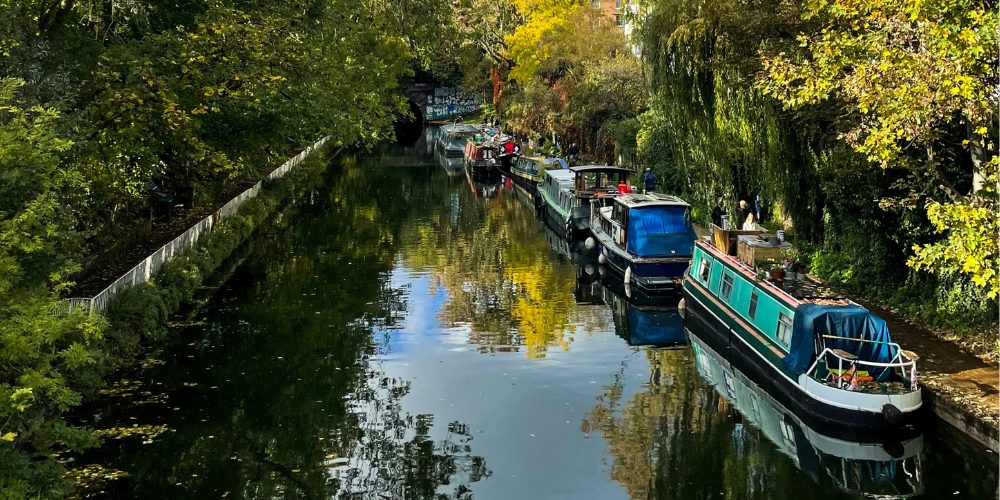
Spanning over 2,000 miles, the UK’s canal system is more than just a relic of the past. It offers a wide range of benefits:
- Transport corridors for recreational boats and narrowboats
- Drainage infrastructure for flood-prone urban areas
- Tourism attractions, supporting local economies
- Wildlife habitats, particularly for aquatic plants, fish, and birds
- Cultural heritage, connecting generations to their industrial roots
But the full potential of these waterways can only be realised when they are well-maintained. Dredged sediment accumulation, pollution, and invasive species can make canals unnavigable and unsafe—hindering their ability to serve any purpose effectively.
The Role of Dredging in Canal Preservation
Dredging is the process of removing accumulated silt, sludge, debris, and other materials from the bottom of water bodies. In canals, sedimentation can drastically reduce water depth, restrict boat movement, and impair water quality.
In the UK, dredging plays a pivotal role in:
- Restoring navigable depth for modern vessels
- Improving water flow and preventing stagnation
- Reclaiming lost mooring spots and canal-side features
- Supporting the Canal & River Trust’s ongoing maintenance plans
Without regular dredging, many of the UK’s most popular canal routes would be unusable for navigation or prone to flooding during heavy rains.
Modern Challenges in Maintaining Aging Waterways
Despite their historic value, maintaining canals is far from straightforward. Some of the pressing challenges include:
- Structural decay in old locks, bridges, and banks
- Restricted access for dredging machinery in narrow or remote locations
- Heavy use by leisure craft, especially during summer
- Urban encroachment, limiting dredge spoil disposal options
- Budget constraints for public bodies tasked with canal care
In addition, some canals have not been dredged for decades, resulting in severe buildup that requires phased or specialist intervention.
Dredging While Protecting Endangered Waterway Ecosystems
Dredging in UK canals requires a careful balance between restoring waterway functionality and preserving the delicate ecosystems they support. These historic canals are habitats for endangered species such as water voles, white-clawed crayfish, and several dragonfly species. To minimize ecological disruption, thorough wildlife surveys are conducted before dredging begins, helping identify breeding or nesting areas. Work is then scheduled outside critical periods like spawning or nesting seasons. Additionally, sediment traps and turbidity curtains help maintain water quality, while eco-sensitive dredging heads reduce disturbance to the canal bed. These best practices ensure that essential maintenance activities support, rather than compromise, long-term conservation goals.
Key Dredging Techniques Used in UK Canal Restoration
Dredging in UK canals often relies on a blend of traditional skill and modern innovation. Commonly used techniques include:
- Mechanical dredging using long-reach excavators mounted on pontoons or canal banks. Ideal for narrow stretches and shallow sections.
- Hydraulic suction dredging, which uses water jets to break up sediment before suctioning it away—often used for larger projects.
- Silt pushing using underwater bulldozers to reposition sediment to designated containment areas for future removal.
- Dewatering and bagging, where dredged material is filtered in geotextile bags before disposal or reuse.
Each method is chosen based on site conditions, dredged sediment characteristics, and environmental sensitivity.
Environmental Considerations in Canal Dredging Projects
Environmental sustainability has become a fundamental aspect of canal dredging operations, particularly within the UK, where compliance with frameworks like the Environmental Permitting Regulations (EPR) is mandatory. These regulations enforce rigorous standards for sediment testing, ecological assessments, and material disposal. Responsible dredging practices include pre-removal contaminant testing, controlled transport and disposal of sediment—often to licensed sites or for beneficial reuse—and continuous water quality monitoring to detect turbidity or pollutants.
Post-dredging, replanting and rewilding initiatives help restore natural habitats. Increasingly, dredged material is being repurposed for towpath reinforcement, agricultural soil improvement, and flood defence, contributing to a circular economy model in sustainable canal management.
Canal Dredging Strategies for Extreme Weather
As climate change intensifies, Britain’s waterways—particularly canals—face mounting challenges from increased rainfall, flash floods, and extended dry periods. In response, canal dredging has emerged as a key climate resilience strategy. By increasing water-holding capacity, modern dredging helps manage stormwater surges and prevent overtopping and bank erosion during flood events.
It also maintains sufficient depth for navigation during droughts and minimizes blockages in urban drainage systems that rely on canal outflow. When integrated into broader urban flood management plans, dredging transforms historic canal networks into vital assets for modern climate adaptation and infrastructure resilience.
Conclusion
The UK’s canal network is more than a picturesque backdrop for countryside walks—it’s a living system with immense cultural, economic, and environmental value. Dredging ensures that these waterways can function safely and sustainably in the modern age.
Whether supporting boating tourism, managing stormwater, or preserving biodiversity, canal dredging must be undertaken with care, expertise, and foresight. It’s not just about clearing mud—it’s about restoring the legacy of the past to serve the needs of the present and the demands of the future.
As the UK continues to face climate challenges and growing urbanisation, investing in canal dredging is an investment in infrastructure, heritage, and ecological health—all in one