Advertisement Feature
Imagine waking up with the freedom to choose your adventure—coastline or countryside, sunrise hike or lakeside brunch. That’s the magic of motorhome travel, where your day out isn’t bound by maps or hotel check-ins but shaped by spontaneity, comfort, and curiosity.
More people across the UK and Europe are ditching traditional day trips in favor of the motorhome lifestyle. And they’re not just doing it for the long haul—single-day journeys are becoming a whole new way to escape routine without needing a week off or a hefty travel budget. As interest grows, platforms like The Motorhome Trader are making it easier than ever to buy, sell, or explore your first motorhome with confidence.
This guide is designed to help you reimagine what’s possible in just one day. Whether you’re an old-school camper or someone flirting with van life, you’re about to see how a simple drive can turn into something far more immersive.
What Makes Motorhome Travel Different from a Regular Day Out?
At first glance, a day out in a car and one in a motorhome might look similar. But the experience? Totally different.
Motorhomes aren’t just vehicles—they’re mobile sanctuaries. Instead of planning your day around where to eat, where to rest, or where to go, you bring it all with you. This isn’t a matter of luxury—it’s about access and autonomy.
The core distinctions lie in:
- Freedom to change your plans mid-route
- No dependency on hotels, restaurants, or public facilities
- The ability to immerse yourself in nature without sacrificing comfort
- Full access to remote spots that regular day-trippers might overlook
When you travel with a motorhome, the destination stops being the main event. The journey becomes the experience.
Who Can Benefit the Most from a Motorhome Day Out?
A motorhome day trip isn’t just for retirees or road warriors. It offers value across a wide range of lifestyles.
Families with Kids
- Built-in rest stops for naps and meals
- Space for games, toys, and bathroom breaks
- Easier to adapt to sudden meltdowns or changes in energy
Retired Couples
- No need to rush—go wherever the road feels right
- Cosy dining on board with a scenic view
- No booking stress or back-and-forth packing
Digital Nomads
- Wi-Fi boosters and solar setups make remote work realistic
- Switch between productivity and exploration in the same day
- Work with a view—literally
Adventure Seekers
- Quick basecamp setup near trails, lakes, or climbing spots
- Safe storage for gear
- A warm shower or nap after a long hike
Pet Owners
- No need for pet sitters
- More control over ventilation, breaks, and feeding
- Pet-friendly locations without hotel restrictions
Whether you’re chasing convenience, comfort, or complete freedom, motorhome travel has something for everyone.
How Do You Plan a Perfect Motorhome Day Trip?
Planning a motorhome day trip is part roadmap, part intuition. The key is flexibility wrapped in a smart plan.
Start by mapping your route with reliable tools like Google Maps, Park4Night, or Roadtrippers. Don’t overpack your schedule—leave room for unplanned detours.
Here’s what to cover:
- Route and alternative paths
- Fuel stops or electric charging stations
- Hookup options if needed
- Weather forecasts for each stop
- Road legality and clearance checks
What Should You Pack for a Motorhome Day Out?
Packing is about balance: take what enhances the trip but skip what clutters the space.
Kitchen Essentials
- Portable stove or induction cooktop
- Basic utensils, plates, and a collapsible sink
- Water and pantry-friendly food
Outdoor Gear
- Foldable chairs and table
- Hiking boots or trail shoes
- Headlamp or portable lantern
Emergency and Safety Items
- First aid kit
- Fire extinguisher
- Jump cables and tire inflator
Entertainment
- Books or tablets
- Board games or card games
- Downloaded playlists or movies
Clothing and Weather Gear
- Layers for unpredictable conditions
- Rain gear or sun hats
- Towels and swimwear if visiting water spots
How Much Driving is Too Much for One Day?
While some thrill-seekers love clocking miles, the sweet spot for most lies in balance.
A good ratio looks like this:
- Ideal: 2–3 hours of driving / 6–8 hours of relaxation and exploring
- Comfortable max: 5 hours of driving / 4–6 hours of sightseeing or downtime
The point of a motorhome isn’t to stay seated—it’s to roam and relax on your own terms.
Where Can You Take a Motorhome for a Day Trip?
The beauty of a motorhome is that the map becomes a canvas. Some of the best one-day destinations include:
- National parks with scenic routes and quiet picnic zones
- Coastal drives where you can park right by the waves
- Historic towns with charm and local eats
- Countryside hideaways off the tourist radar
- Lakeside spots for water views and open skies
- Festival zones that allow day visitor parking
Are There Any Restrictions on Where You Can Park or Stay?
Yes—and they vary. Many public car parks, beaches, or urban zones prohibit overnight stays. That said, numerous apps make it easy to stay legal and smart:
- Park4Night
- Campercontact
- Searchforsites
- Brit Stops
Always check height restrictions, local ordinances, and whether the area is labeled “No Overnight Stay.”
What Are the Advantages of Taking a Motorhome Over a Regular Car for Day Trips?
Think of it like this: while a regular car gets you to your destination, a motorhome invites you to stay and settle in. You have instant access to your own bathroom and kitchen, which means fewer pit stops and more convenience on the go. When the weather turns, you’ve got built-in shelter from unexpected rain or wind, and there’s no need to scout out a café just to take a break—your rest spot is already with you. Whether you want to nap, fix a quick meal, or change clothes mid-trip, everything you need is within arm’s reach. Best of all, you’re not tied to a fixed plan. If the mood strikes or the road beckons in another direction, you can pivot without having to backtrack or rearrange bookings. It’s like having a cosy, mobile headquarters that travels with you—ready for whatever the day brings.
How Can a Motorhome Enhance Your Connection to Nature?
You’re not just driving past the view—you’re stepping right into it. A motorhome allows you to fully immerse yourself in the natural world in ways that a typical day trip simply can’t. Picture starting your morning with a peaceful breakfast by the lake, the sunrise reflecting on the water. As the day warms up, you can tuck into a midday nap beneath the shade of forest trees, the breeze drifting through the open windows. After an evening hike, you return to the comfort of your motorhome, where a warm meal awaits—no rush, no reservations. And when night falls, you can climb up to the roof or swing open the back doors to stargaze under an unobstructed sky. It’s not just travel—it’s a quiet, beautiful reconnection with the world outside.
What Are the Best Types of Motorhomes for Day Trips?
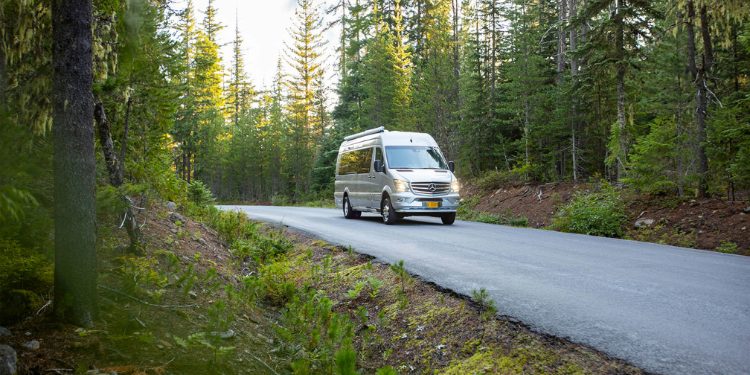
Not all motorhomes are built for the long haul—and that’s a good thing. For single-day adventures, smaller and more agile models offer maximum efficiency without the bulk.
Let’s explore a few top choices:
Campervans
- Pros: Easy to park, great fuel efficiency, ideal for urban or tight spaces
- Cons: Limited amenities, often no bathroom
Class B RVs
- Pros: Balanced size and comfort, usually include a compact kitchen and toilet
- Cons: Less spacious than larger models, not ideal for big groups
Converted Vans
- Pros: Fully customisable, often stealthy for city use
- Cons: DIY conversions can lack professional-grade insulation or plumbing
Ideal features for day trips include:
- Quick and easy setup
- Fold-out or modular furniture
- Swivel chairs and multi-use storage
- Low fuel consumption
- Built-in shade options (awnings or pop-tops)
The key is to match your travel style with the right mix of comfort and maneuverability.
How to Stay Safe During a Motorhome Day Trip?
Safety doesn’t take a day off—especially when your vehicle is also your basecamp. Before hitting the road, it’s essential to check your tire pressure and fuel levels to avoid any surprises along the way. Make sure you’ve packed a first aid kit and any necessary medications, just in case. Inside the motorhome, secure all loose items to prevent them from shifting or falling while you drive. It’s also important to know your vehicle’s height and weight—low tunnels and narrow bridges can quickly turn into hazards if you’re not prepared. Keep an eye on the weather forecast throughout the day and be ready with alternate routes if conditions change. And most importantly, trust your instincts. If something doesn’t feel right, don’t hesitate to change course or pull over. One of the best things about motorhome travel is the freedom to adjust your plans whenever you need to.
What’s It Like Taking Kids or Pets on a Motorhome Day Out?
It’s cosy, unpredictable, and—if done right—unforgettably fun.
With Children:
- Pack games or coloring kits
- Keep healthy snacks on hand
- Use safe, age-appropriate seating
- Plan regular breaks for movement
With Pets:
- Maintain ventilation inside the cabin
- Create a dedicated comfort zone or crate
- Plan for water stops and walks
- Know leash laws and pet-friendly stops
Both kids and pets thrive with routine—even on the road. Create little rituals (like snack stops or window games), and they’ll love the journey as much as the destination.
Conclusion
A motorhome doesn’t just change how far you go—it redefines what the day means. From spontaneous detours to lakeside lunches, every trip becomes a layered experience—part adventure, part comfort, all yours.
Try a single day. Take your dog, your kids, or just your curiosity. Let the road decide the rest.
And when you’re back home, don’t be surprised if you start browsing for your next outing—or your first van.
After all, it’s not just travel. It’s transformation on wheels.