Advertisement Feature
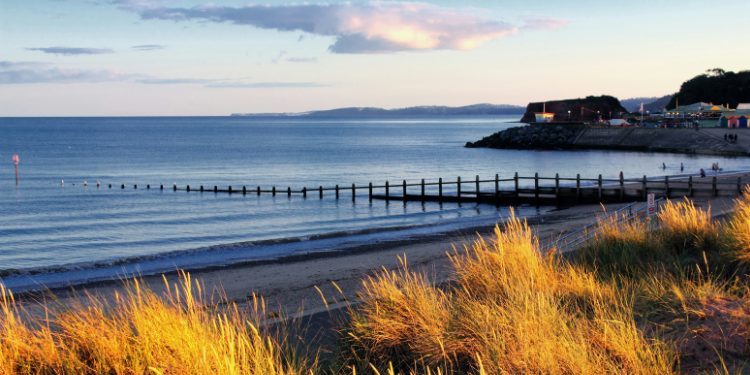
South Devon’s coast invites explorers to uncover hidden gems nestled within its rugged cliffs, expansive beaches, and scenic coves. For those interested in more than just sightseeing, South Devon offers an excellent opportunity to engage with the land in a hands-on way through treasure hunting. Equipped with the right tools, you can turn a coastal walk into an exciting quest for natural treasures—like rare stones, historical artefacts, and, if luck favours, traces of gold.
Why Choose South Devon for Treasure Hunting?
South Devon’s coastline is celebrated for its diversity and geological richness, making it a prime destination for enthusiasts who enjoy uncovering the earth’s hidden secrets. This region’s unique mix of sandy beaches, shale cliffs, and pebbly shores offers a variety of environments where treasures might lie, waiting to be found. From ancient coins to interesting stones and fragments from South Devon’s storied past, the coastline serves up endless surprises.
One of the most thrilling ways to elevate your treasure-hunting experience is by using metal detectors specifically designed to locate valuable materials. These devices make it possible to go beyond surface-level discoveries and find metallic elements that would otherwise go unnoticed.
Finding Gold on the Coast
Though South Devon’s shoreline is primarily known for its scenic views and natural formations, certain areas may hide traces of gold and other metals. Over centuries, the coastal erosion process has deposited small fragments along beaches and cliffsides, creating a potential treasure trove for those equipped with the best metal detectors for gold. While striking it rich is rare, the real reward is often in the hunt itself, with each discovery adding a story to your adventure.
If you’re looking to try your luck at finding gold, it’s important to choose a detector suited to the mineral-rich and sometimes challenging terrain of South Devon. Several models specialise in filtering out background noise from minerals in rocks or sand, making it easier to detect valuable fragments.
Tools and Techniques for Coastal Metal Detecting
When metal detecting along a coastline, your choice of equipment can make a significant difference. Coastal environments require detectors that are resilient and capable of handling the moisture and salt in the air, as well as the mineral content in the ground.
Consider these metal detectors for gold to improve your chances. Advanced detectors are designed to be sensitive to gold while ignoring other minerals, helping you pinpoint worthwhile signals. Waterproof models are especially handy for the coastal hunt, as they allow you to venture near rock pools and shallow waters without damaging your device.
Once equipped, it’s time to get familiar with your detector. Knowing the settings and understanding the signals it emits will help you distinguish between potential gold and other metals. South Devon’s beaches and rocky coves are popular among hobbyists, so it’s recommended to explore quieter areas if you prefer a more secluded experience. With a bit of patience, you could come across an unusual find or an item with historical value.
Where to Explore Along South Devon’s Coast
While metal detecting is allowed on many of South Devon’s beaches, always check for specific restrictions or permissions, especially if you plan to search near historical sites. South Devon boasts several intriguing locations for treasure hunters:
- Bantham Beach – Known for its vast sandy stretches, Bantham Beach, is a popular spot where the constant wave action may expose new materials. It’s a good choice for detecting along the tidelines where metals can accumulate.
- Thurlestone Sands – This beach offers a mix of sand and rocks, with the tide bringing in different kinds of minerals and debris. The rocky surroundings and tidal zones here provide interesting nooks for prospectors.
- Hope Cove – This small but picturesque beach has plenty of historical interest, and its secluded feel may reward those seeking a quiet treasure hunt. Exploring along the cliffs and among the larger rocks could lead to some unique discoveries.
- Slapton Sands – A shingle beach with a fascinating history, Slapton Sands may yield surprising finds washed ashore over the years. The nearby freshwater lagoon adds an extra element of intrigue to the area.
Tips for Responsible Treasure Hunting
When venturing out with a metal detector, it’s important to follow guidelines for responsible treasure hunting. Be mindful of environmental preservation, and leave areas as you found them, removing any litter you might encounter along the way. Avoid digging excessively, especially in areas with delicate ecosystems or where there might be hidden flora and fauna.
Always respect local laws and regulations when detecting, and if you come across any objects of historical or archaeological significance, report them to local authorities. Treasure hunting is a fantastic way to connect with South Devon’s heritage and landscapes, and responsible practices ensure that future generations can enjoy these experiences as well.
Ready to find your own slice of adventure? South Devon awaits, with its hidden troves and endless potential for discovery!