A family day out usually starts with snacks, suncream, and a hopeful look at the weather. Then a grazed knee, a bumped elbow, or a sudden headache turns up. Most parents have had that moment where you wish you felt calmer.
The good news is that kids learn safety best when it feels normal and relaxed. A first aid certificate can be part of that picture, but so can the right kind of day out. The aim is small habits that stick, not big speeches.
Choose Days Out That Make Safety Feel Normal
The best days out for learning are places where adults and kids move together at the same pace. Think walkable waterfronts, big museums, or family sites with clear staff presence. When the setting feels steady, children ask better questions and listen longer.
Start with a plan that includes one simple safety job for each child. One can carry plasters, one can hold the water bottle, and one can spot the nearest toilet. These jobs feel grown up, but they also build awareness without stress.
If you are heading to the coast, pick an area with lots to do within a short radius. The Portsmouth attractions page is handy for ideas you can group into a tidy route. It is easier to practise calm decision making when you are not rushing across town.
Museum Visits That Spark Good Safety Questions
Museums and heritage sites are perfect for teaching kids how to pause and assess a situation. They often include stairs, ropes, railings, and crowded spaces that need patient movement. That makes them useful for “look first” habits, without turning it into a lecture.
Try a simple game called “spot the safe route” as you enter each new room. Ask your child to point out a clear walkway, a quiet corner, and a staff member. You are building the skill of noticing exits and help points in a natural way.
If you visit a dockyard or historic ship, you also get real examples of safety rules. Talk about why signs exist, why hands stay on rails, and why running changes risk. Kids tend to remember rules better when they can see the reason.
Outdoor Play That Doubles As Practice
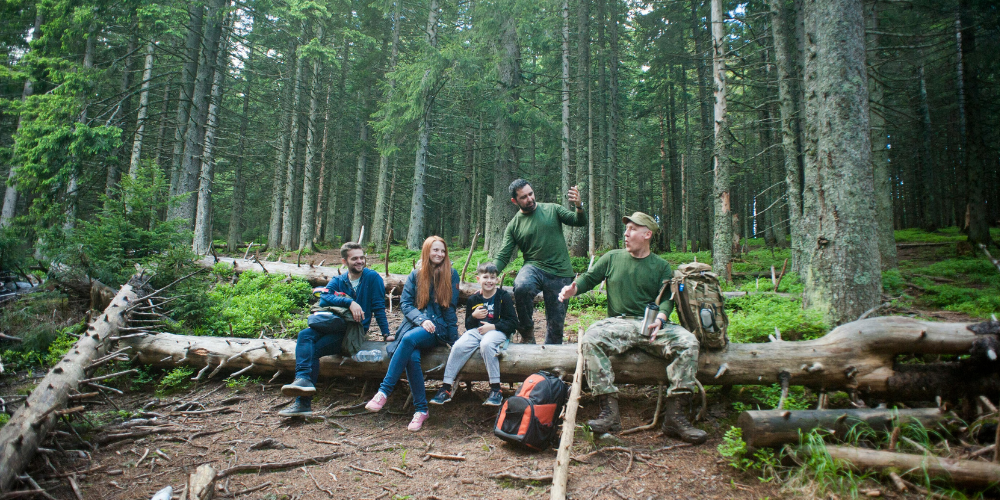
Outdoor days out bring the kinds of minor problems that let kids practise calm responses. A scraped shin, a nettle sting, or a twisted ankle can happen on a trail. With a little structure, those moments become gentle learning, not drama.
Before you set off, agree on three steps your child can follow when someone gets hurt. Step one is stop and tell an adult. Step two is sit down and breathe slowly. Step three is show the injury and describe what happened.
If you want a quick routine that children enjoy, use short “mini drills” during breaks. Keep them light, and stop if anyone feels worried or bored. Here are a few that work well on benches or picnic tables:
- “Plaster practise,” where a child cleans hands, opens a plaster, and applies it neatly to a finger.
- “Phone ready,” where a child finds the emergency call screen, then locks the phone again.
- “Help words,” where a child says their full name, location, and what they see in one calm sentence.
These drills are not about pretending you are in danger. They are about making the first few steps feel familiar, so panic has less room. Even five minutes can build confidence over a few weekends.
What A Real First Aid Course Covers For Families
Parents often wonder what is realistic for children to learn, and what should stay adult led. Most kids can learn how to call for help, how to keep someone comfortable, and how to describe symptoms clearly. Older children can also learn CPR basics and how to respond to choking, with age fit guidance.
It also helps to understand what workplaces in the UK are expected to cover in first aid. The Health and Safety Executive explains first aid at work duties, including how needs are assessed and supported. That guidance gives a clear picture of what “good cover” looks like in real settings.
For family life, focus on three high value areas that come up on days out. Breathing problems need fast help, so kids should know to get an adult immediately. Bleeding and burns happen often, so kids can learn simple comfort steps. Head bumps are common too, so kids can learn to watch for signs that feel “not normal.”
A course can also help parents make quicker choices under pressure. Knowing when to stay put, when to seek urgent care, and what details matter saves time. It is less about being a hero, and more about being steady.
Pack A Small Kit And Let Kids Own It
A day out kit does not need to be huge, but it should be consistent. When kids know what is in it, they stop treating it like a mystery bag. It becomes part of the rhythm, like water and snacks.
If you want a simple packing reference for family outings, the essentials to bring checklist includes a reminder about a small first aid kit. It matches what many families learn the hard way after one forgotten plaster.
For extra learning, share a true story after the day out, not during the rush. The British Red Cross shares real accounts of people using first aid in everyday life, and they are easy to talk through with kids. Stories help children picture what “help” looks like without making it scary.
A Calm Finish That Makes The Next Trip Easier
Pick days out where you can slow down a little, then give each child one small safety job that feels doable. Practise one skill per trip, like describing an injury clearly or finding a staff member, and keep it light so it stays memorable. Pack the same small kit every time, and let kids help check it before you leave so it becomes routine. Over a few weekends, those simple patterns build steadier reactions when a real bump or scare happens.