Advertisement Feature
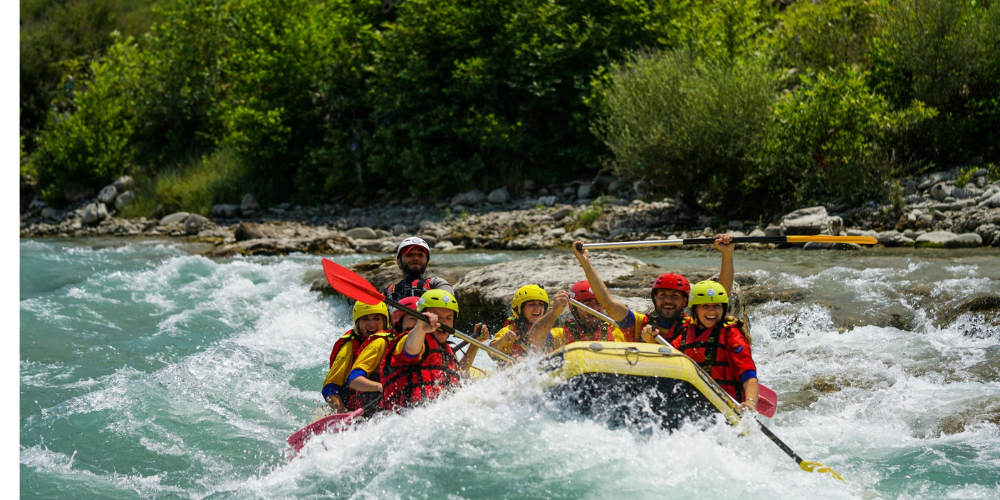
Planning your first family river rafting trip is exciting, but it also comes with real responsibility. When you’re sharing the raft with loved ones, safety has to come first—before the thrill, the splashes, and the unforgettable views. Understanding what keeps everyone protected on the water makes all the difference between a stressful outing and a truly enjoyable adventure.
Several key factors play a role in staying safe while rafting. Listening closely to your guide, wearing properly fitted life jackets, and knowing basic emergency responses are all essential. Even simple actions—like swimming toward the raft and grabbing the outer safety line if you fall in—can be lifesaving in fast-moving water.
This guide walks beginners through the essentials of family rafting, from choosing the right location to handling on-river situations with confidence. While some operators limit younger children during certain seasons, preparation, proper gear, and clear safety protocols always matter. With the right knowledge, your family can focus on having fun and creating lasting memories on the water.
Pick the right location
The right location for your first trip with life rafts will give your family both safety and fun. The UK has several great spots where beginners can start their rafting journey, from natural waterways to purpose-built courses.
Lake District White Water Rafting (Cumbria)
The Lake District gives families a unique rafting experience that works well with kids as young as 8 years old. You can enjoy adventure while taking in the stunning scenery that you can only see from the water. The location stands out for its “chase the water” approach—the rafting team picks the best river sections based on current water conditions. They give you all the gear you need, but you should bring trainers, swimwear, and a towel. Most trips start from Penrith or Newby Bridge. You might want your own car since buses and trains don’t reach all rafting spots.
Tees Barrage International White Water
The Stockton-on-Tees facility has two international-standard courses and the steepest drop in the UK. The course runs through 300 meters of rapid white water, powered by four massive 30-ton Archimedes screws that pump more than 14,000 liters of water every second. Families with teenagers will love this spot since it welcomes rafters aged 14 and above. More than 60,000 people visit the center yearly. Expert guides help beginners learn the basics while providing all safety gear.
Lee Valley White Water Center (near London)
Families living near London will find Lee Valley White Water Center a perfect choice. Built for the 2012 London Olympics with a cost of £31 million, this world-class facility maintains steady water levels whatever the weather. The main competition channel stretches 300 meters with a 5.5-meter drop, but you’ll find beginner-friendly routes too. The center lets you try other activities like paddleboarding and water wipeout in calmer waters. Its location close to London makes it easy for families to have an adventure without traveling far.
Before you book, think about each family member’s age, swimming abilities, and how comfortable they are with water activities, since each location has different requirements.
Choosing the Right Rafting Trip for Your Family
Your family’s perfect rafting adventure starts with getting a full picture of everyone’s abilities. A great trip strikes the right balance between thrills and safety that creates lasting memories for the whole family.
Age and swimming skills matter
Several factors determine which river trip works best for your family. Young children (ages 5-9) do best on trips under 3 hours since they tend to lose interest in longer experiences. Kids between 10 and 13 years usually enjoy full-day trips, while teens can take on overnight adventures. Most outfitters also set age limits: 4-5 years for Class I-II waters, 6-7 years for Class III, 12-14 years for Class IV, and 16+ for tougher routes.
Swimming skills play a crucial role. People who can’t swim can safely enjoy Class I-III rapids with proper lifejackets, but most companies want swimming ability for Class IV waters. Routes with “pool and drop” features give non-swimmers plenty of time to recover between rapids.
River difficulty levels explained
The International Scale of River Difficulty ranks waters from Class I to VI:
- Class I: Easy, moving water with small waves and few obstacles
- Class II: Novice level with simple rapids and clear channels
- Class III: Intermediate with moderate, irregular waves that need good boat control
- Class IV: Advanced with powerful rapids that need precise maneuvering
- Class V: Expert level with very challenging conditions
- Class VI: Extreme/unrunnable rapids only expert teams attempt
Water levels can change these classifications—higher water usually makes things harder.
Best routes for beginners
“South Fork” style rivers give families an ideal first-time experience. These rivers typically mix Class II-III rapids with just the right amount of excitement and manageable risk. Many guides offer special family trips like “Young Rafters” that welcome children as young as 4.
“Pool and drop” formations let you catch your breath between exciting rapids. You might also like combination trips that blend calm scenic floats with mild whitewater, which works great for groups with different comfort levels.
The least experienced person in your group should set the pace. This helps everyone have fun instead of feeling scared.
Essential Safety Gear for Family Rafting
Image Source: Broadmoor Outfitters
Safety equipment acts as your shield on the river waters. Families who wear proper gear stay protected and relaxed during their water adventures.
Life jackets and helmets
Personal Flotation Devices (PFDs) are vital safety gear for river rafting. Your life jacket should fit snugly, but comfortably, so it stays put without limiting your movement. The outfitters will give you professionally-fitted options, so leave your home PFD behind. A helmet shields you from rocks, branches, and the raft itself. Good rafting helmets meet safety standards and come with adjustable straps for the right fit.
Proper clothing and footwear
Synthetic materials that dry fast work better than cotton, which soaks up water and makes you cold. Water shoes or sandals with secure straps give you grip and protection. They help you stay steady on slick surfaces and keep your feet safe from rocks in the water. Don’t wear flip-flops – they’ll float away in the current. Regular Crocs might feel good when dry but slip off in water.
Waterproof bags and sun protection
Waterproof dry bags keep your electronics, spare clothes, and essentials safe as you move through rough rapids. Water-resistant sunscreen with high SPF needs frequent reapplication throughout your trip. Rivers create perfect conditions for bad sunburns because water bounces 80% of UV rays back onto your skin. UPF 50+ rated clothes block about 98% of UV radiation. Polarized sunglasses with retainer straps and wide-brimmed hats secured by chin straps complete your protection.
On-River Safety Tips for Beginners
Image Source: Jackery
Three basic practices will keep you and your family safe on the water. These basic skills will make your first river rafting experience both fun and secure.
Listen to your rafting guide
Professional guides know how to navigate rapids and obstacles safely. Their knowledge of rescue methods and quick thinking could save lives during emergencies. The pre-trip safety briefing is vital because guides explain basic commands like “lean left,” “lean right,” “paddle,” and “stop paddling”. These basic instructions help you control the raft’s direction, speed, and balance. Even seasoned rafters should trust their guide’s judgment.
Hold the paddle correctly (T-grip)
You need to handle the T-grip (the end part of the paddle shaped like a “T”) properly to avoid injuries. Keep one hand at the paddle shaft base and the other over the T-grip. This grip stops the paddle from slipping and hitting you or others. New rafters often forget this vital detail, but the right grip throughout your experience reduces accident risks by a lot.
Stay seated and alert in rapids
Put your whole body on the outer tube with your feet inside the raft. Keep low in choppy waters for better stability. If you fall overboard, grab the outside safety line and wait for help.
Conclusion
River rafting offers families a rare mix of excitement, teamwork, and shared memories, but safety must always guide every decision. By understanding beginner-friendly locations, river classifications, and basic planning principles, you set clear expectations for the trip. Good preparation lowers risk, boosts confidence, and ensures everyone enjoys the experience together.
Proper gear, listening, and trust in your guide create the foundation for a safe day on the water. Life jackets, helmets, and suitable clothing protect every family member. When excitement and caution stay balanced, rafting becomes more than an activity—it becomes a tradition your family will look forward to repeating.