Advertisement Feature
Family road trips across the UK often follow familiar patterns. The same national parks. The same headline destinations. The same pressure to fit everything into a fixed schedule. Many families now look for something different. Not bigger attractions, but days out that feel manageable, engaging, and calm.
Some of the best family experiences sit outside the obvious routes. They combine space, hands-on discovery, and practical logistics that work with children rather than against them. These places stay memorable because they reduce friction, not because they try to impress.
Why Lesser-Known Destinations Work Better for Families
Popular family attractions carry hidden costs. Long queues drain energy. Crowded paths limit movement. Timed entry creates pressure that rarely suits younger children. On busy days, even strong destinations lose their appeal.
Quieter locations change the rhythm of the day. Children move at their own pace. Parents make decisions without constant adjustment. Time stretches naturally. A short walk becomes an activity. A stop for food feels optional, not urgent.
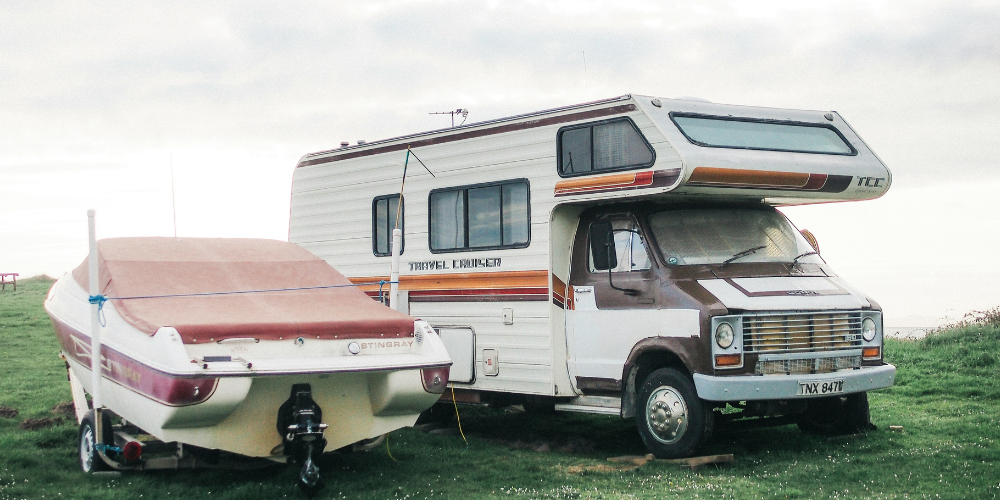
Travel flexibility plays a direct role here. When families control arrival and departure times, days hold together better. Accommodation that moves with the journey removes the need to rush back to a fixed base. For many families, using 365 Camper Hire supports this balance by keeping travel, rest, and meals within one flexible structure rather than splitting them across bookings.
Puzzlewood and the Value of Open-Ended Exploration
In Gloucestershire, Puzzlewood offers a setting that works quietly well for families. The ancient woodland feels immersive without being overwhelming. Paths twist and overlap. Children explore without following signs or instructions. Parents supervise without managing constant transitions.
Space rewards curiosity. There is no fixed route to complete and no pressure to see everything. Families often spend longer here than planned, not because of scale, but because attention stays engaged. The woodland setting absorbs noise and movement, which helps younger children regulate their energy.
Puzzlewood works best as part of a slower day. It pairs well with nearby countryside stops or a simple picnic rather than a packed itinerary. This flexibility keeps the experience grounded.
Cornwall Beyond the Obvious Beaches
Cornwall attracts families for clear reasons, but its quieter coastal spots often deliver better days out than headline beaches. Kynance Cove stands apart because access requires effort, with the South West Coast Path naturally filtering crowds before the shoreline even comes into view.
Families who plan for the walk treat the beach itself as a reward rather than a destination to rush. Rock pools, changing light, and shifting tides hold attention without organised activities. The return walk becomes part of the experience, not a problem to solve.
Days like this benefit from flexible timing. Arriving earlier or later than peak hours changes everything. Families who control their schedule experience Cornwall at a human pace rather than a tourist one.
The Cotswolds as a Cluster, Not a Checklist
The Cotswolds work best for families when treated as a cluster, with short distances and walkable links between stops, a pattern often associated with Cotswolds without a car.
Cotswold Wildlife Park near Burford provides a strong anchor for a family day. Wide paths allow free movement. Open enclosures hold attention without forcing constant explanation. Children respond to scale and proximity more than information boards.
Nearby, Bourton-on-the-Water’s Model Village shifts attention from walking to observation. Children naturally turn it into a search activity. Adults engage without needing to direct play. A short walk later, Birdland adds a different energy through movement and sound, which resets attention rather than exhausting it.
This cluster works because each stop demands something different. None of them require a full day on their own. Families leave before fatigue sets in.
Yorkshire’s Structured Play with an Edge
Across the region, family experiences balance challenge and discovery, a pattern often seen across things to do in Yorkshire with kids. The Forbidden Corner in Middleham stands out because it resists passive consumption. Children navigate, choose paths, and solve small spatial problems. Parents observe rather than instruct.
The experience stays engaging because nothing unfolds in a straight line. Children accept uncertainty as part of the fun. That mindset often carries into the rest of the day, reducing friction elsewhere.
Further east, the North Yorkshire Moors Railway introduces a slower form of movement. The journey itself becomes the activity. Steam trains create a contained environment where children can look, talk, and move without pressure. Stops feel like pauses, not interruptions.
These experiences work well together. One challenges attention. The other restores it.
East Anglia’s Quiet Confidence
Norfolk and Suffolk support family travel through space rather than spectacle. BeWILDerwood in Norfolk succeeds because it avoids rigid sequencing, with tree top adventure parks in Norfolk supporting movement-led play without queues dictating behaviour. Children move between treehouses, bridges, and slides freely. Adults appreciate the lack of noise and visual overload.
In Suffolk, Southwold Pier offers controlled novelty. The arcade machines engage curiosity rather than speed. Parents and children play side by side rather than splitting into age groups. The pier itself remains open and breathable, even on busy days.
Africa Alive near Kessingland adds contrast through scale. Wide enclosures allow animals to be observed without crowding. Walking routes remain clear. Children absorb the experience through movement rather than instruction.
These destinations reward families who value calm engagement over constant stimulation.
Wales for Hands-On Discovery
Wales delivers family days out that combine story, movement, and space, a pattern reflected across family activities along the Wales coast path. Folly Farm in Pembrokeshire balances traditional farm interaction with larger animals and play areas that absorb different age groups at once. Families move between zones without needing strict planning.
King Arthur’s Labyrinth near Corris introduces narrative without screens. The underground journey creates focus through the environment rather than technology. Children listen because the setting demands attention. Parents engage because the pace stays controlled.
Greenwood Family Park adds physical involvement. The people-powered roller coaster reframes effort as part of the fun. Children participate rather than wait. This shared activity often becomes the highlight of the trip.
These Welsh destinations work because they treat families as active participants, not spectators.
Choosing Places That Hold the Day Together
Successful family road trips rarely depend on quantity. They depend on flow. Places that allow arrival without stress, movement without queues, and departure without regret stay memorable.
Hidden destinations across the UK offer this balance for families. They reduce pressure through space, varied engagement, and flexible timing. Families return home with shared stories rather than unfinished plans.
Road trips built around these locations reward attention and restraint. They allow families to shape the day as it unfolds. When destinations support that freedom, the journey feels complete rather than rushed.